Understanding the Crayon Manufacturing Process
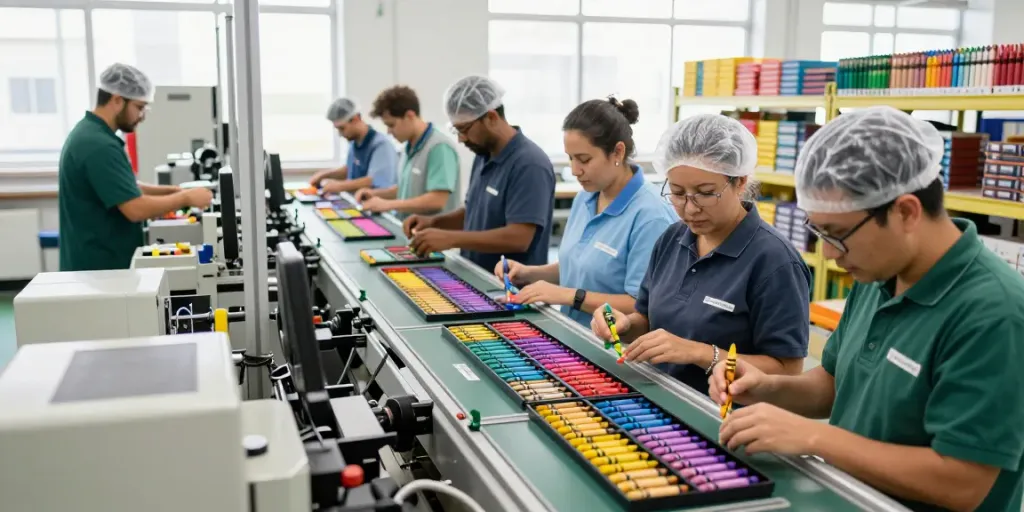
Crayon manufacturing is a fascinating process that combines art and science. As a leading crayon manufacturer, we pride ourselves on understanding the nuances of producing high-quality products. From the moment raw materials are selected to the final steps of packaging, every aspect of crayon manufacturing plays a crucial role in the overall quality and performance of the crayons.
The Different Types of Crayons Available
Crayons come in various types, each designed to meet specific artistic needs. Broadly, we categorize crayons into four primary types:
- Wax Crayons: These are the most commonly used crayons and are made from a mixture of wax and color pigment, making them affordable and ideal for young children.
- Plastic Crayons: Known for their versatility, plastic crayons can be molded into different shapes and sizes, appealing to creative minds looking for unique drawing options.
- Fabric Crayons: These crayons can be used on fabric and are designed to withstand washing, making them perfect for creating lasting designs on clothing and textile projects.
- Beeswax Crayons: An eco-friendly alternative, beeswax crayons are made from beeswax and pigment, offering a safe choice for children and environmentally conscious consumers.
Raw Materials Used in Crayon Production
The quality of crayons heavily depends on the raw materials used in their production. The essentials include:
- Wax: Paraffin wax is commonly used, but for eco-friendly products, natural waxes like beeswax are gaining popularity.
- Color Pigments: These provide the vibrant hues that make crayons appealing. Manufacturers choose non-toxic pigments that comply with safety standards.
- Additives: Ingredients such as stearic acid or calcium carbonate may be added to enhance the texture or performance of the crayons.
Innovative Technologies in Crayon Manufacturing
Modern crayon manufacturing utilizes advanced technologies to streamline production and enhance product quality. Automation in mixing, molding, and packaging has allowed manufacturers to maintain consistency while reducing production time. Innovations in sustainable practices, such as biodegradable packaging, also contribute to a more environmentally friendly manufacturing process.
Eco-Friendly Practices in Crayon Manufacturing
With a growing awareness of environmental issues, many crayon manufacturers are adopting eco-friendly practices. This includes sourcing raw materials responsibly and reducing waste during production. The shift to more sustainable options is vital for ensuring a future where art supplies do not harm the planet.
Benefits of Beeswax Crayons
Beeswax crayons are becoming increasingly popular due to their natural composition. Here are some notable benefits:
- Non-Toxic: They are made from natural beeswax and pigments, making them safe for children.
- Eco-Friendly: Beeswax is a renewable resource, and its production has a lower environmental impact compared to synthetic waxes.
- Vibrant Colors: They offer rich and vibrant colors that are less likely to fade over time.
Comparative Analysis of Plastic vs. Traditional Crayons
Plastic crayons differ significantly from traditional wax crayons in terms of durability and application. While wax crayons are softer and often break easily, plastic crayons are more resilient and can be shaped into intricate designs. This makes them suitable for various creative projects beyond mere coloring.
Strategies for Sustainable Sourcing of Materials
To ensure sustainable sourcing of materials, manufacturers can explore partnerships with local suppliers who emphasize eco-friendly practices. Additionally, investing in research for alternative materials, such as plant-based wax and sustainable pigments, is essential for staying ahead in the environmentally conscious market.
Market Trends Shaping the Future of Crayon Manufacturing
The crayon market is undergoing significant changes driven by consumer preferences and technological advancements. Keeping an eye on these trends is crucial for manufacturers aiming to thrive in a competitive landscape.
Consumer Preferences for Eco-Friendly Products
Today’s consumers are increasingly looking for environmentally friendly options. This shift has driven many crayon manufacturers to focus on producing non-toxic and biodegradable products, catering to the growing demand for sustainable art supplies.
Emerging Competitors in the Crayon Industry
The crayon manufacturing landscape is becoming more competitive, with new entrants focusing on niche market segments, including organic and handmade crayons. Established companies need to adapt quickly to maintain their market share.
Future Projections for the Crayon Market by 2026
Market analysts predict that by 2026, the demand for eco-friendly and innovative crayon products will significantly increase. Companies that emphasize sustainability and creativity in their product lines are likely to see higher growth rates compared to traditional manufacturers.
Addressing Common Challenges in Crayon Production
Manufacturing crayons comes with its own set of challenges, which need innovative solutions to overcome. Understanding and addressing these challenges is crucial for maintaining product quality and meeting market demand.
Quality Control in Mass Production
Ensuring consistent quality in mass production requires stringent quality control measures. Implementing regular testing of raw materials and finished products helps in identifying issues early on, preventing losses and maintaining customer satisfaction.
Meeting Market Demand with Limited Resources
Many manufacturers struggle with balancing production capabilities with market demand. Streamlining processes and adopting lean manufacturing principles can help companies optimize resources while meeting consumer needs efficiently.
Educating Consumers about Crayon Benefits
Manufacturers must actively engage with consumers to educate them about the benefits of their products, particularly regarding eco-friendly and safe materials. This can involve marketing campaigns that highlight safety features and the artistic potential of different crayon types.
Celebrating Crayon Creativity and Educational Value
Crayons play a vital role in early childhood education by fostering creativity and developing fine motor skills. Understanding this impact can help manufacturers create products that engage children and support their learning journey.
How Crayons Enhance Learning and Development
Through coloring and drawing, children enhance their cognitive development, hand-eye coordination, and emotional expression. By focusing on educational partnerships, manufacturers can create programs that promote the use of crayons in schools and early childhood settings.
Artistic Uses of Crayons Beyond Coloring
Crayons are not just for coloring; they can be used in various artistic applications, such as crayon melting art and mixed media. Encouraging creative exploration can open new avenues for crayon manufacturers and artists alike.
Community Engagement through Art Supplies
Manufacturers can play an essential role in community engagement by donating supplies to schools and organizing art workshops. Such initiatives can elevate brand visibility and foster goodwill among consumers.