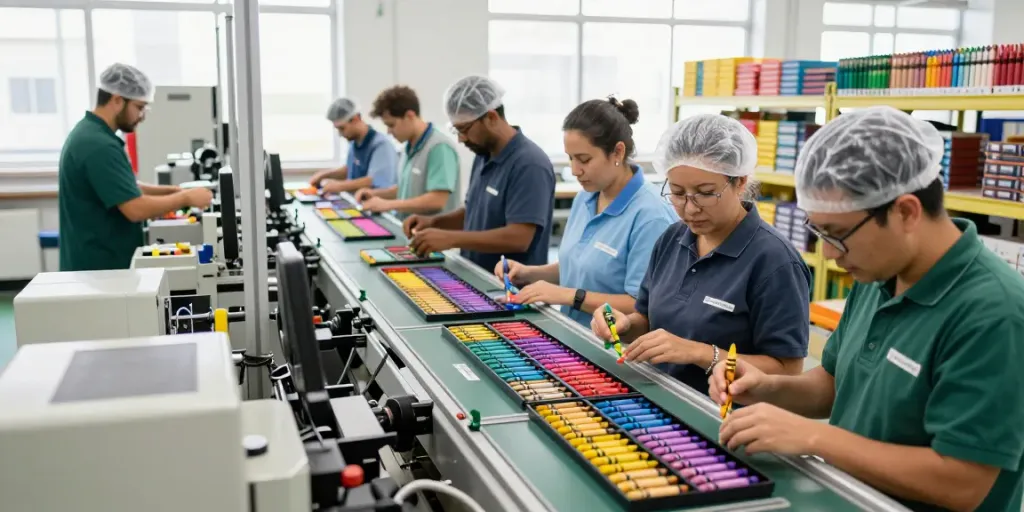
Understanding Crayon Manufacturing
Crayon manufacturing is a fascinating journey that blends art and science, transforming raw materials into the colorful tools we often take for granted. Since 2007, Crayon未用 Seeking has excelled as a crayon manufacturer, producing a diverse array of crayon types that cater to artists, schools, and craft enthusiasts alike. In this article, we will delve into the evolution of crayon production, explore the various types of crayons, and examine the key processes involved in creating these beloved art supplies.
The Evolution of Crayon Production
The origins of crayons date back to the 19th century, with the development of wax-based colors which provided a user-friendly medium for artistic expression. The first commercial crayon was introduced by the American Crayon Company in 1903. Over the years, the production process has evolved significantly, incorporating modern technology and innovative materials. Today, crayon manufacturing employs advanced machinery that enables mass production while ensuring consistent quality and color accuracy.
Types of Crayons: Wax, Plastic, Fabric, and Beeswax
Crayon manufacturers offer a variety of crayon types to meet different artistic needs:
- Wax Crayons: These are the most common type and are known for their affordability and ease of use. They are made from paraffin wax and pigments, making them a staple in classrooms.
- Plastic Crayons: These crayons can be molded into a variety of shapes and sizes, providing unique creative options. They are typically more durable than wax crayons.
- Fabric Crayons: Designed for textile applications, these crayons allow users to create washable and fade-resistant designs on fabric.
- Beeswax Crayons: These are environmentally friendly options made from natural beeswax. They are often favored for their vibrancy and safety, making them ideal for children.
Key Processes in Crayon Creation
The production of crayons involves several critical steps:
- Mixing: The first step involves blending the raw materials, including wax, pigments, and additives, to achieve the desired color and consistency.
- Melting: The mixed ingredients are then melted, typically in large industrial kettles, allowing for a homogeneous mixture.
- Molding: The melted mixture is poured into molds where it solidifies into the familiar crayon shape.
- Cooling and Packaging: After cooling, the crayons are removed from the molds, inspected for quality, and packaged for distribution.
Market Trends in Crayon Manufacturing
As consumer demands evolve, several trends are shaping the crayon manufacturing industry:
Eco-Friendly Innovations: The Rise of Beeswax Crayons
With increasing awareness of environmental issues, there has been a noticeable shift toward eco-friendly products. Beeswax crayons are gaining popularity not only for their natural composition but also for their vibrant colors and safety. Manufacturers are investing in sustainable practices and materials to appeal to environmentally-conscious consumers.
The Impact of Technology on Crayon Design
Technology is playing a pivotal role in the evolution of crayon design. Advanced modeling software allows manufacturers to innovate with shapes and colors. Innovations such as 3D printing are making their way into the crayon production process, allowing for rapid prototyping and customization.
Consumer Preferences: A Shift Towards Customization
Today's consumers are looking for products that reflect their personal style. Many crayon manufacturers are responding by offering customizable options, such as personalized color combinations and unique packaging designs. This trend is particularly popular among schools and craft retailers, who seek to differentiate their offerings.
Quality Control in Crayon Production
Ensuring the quality of crayons is crucial for manufacturers to maintain brand reputation and consumer trust. A robust quality control system involves various testing methodologies.
Essential Testing Methods for Crayon Durability
Manufacturers implement rigorous testing to assess the durability and performance of crayons. Common tests include:
- Fade Resistance: Testing how well colors hold up under UV light.
- Washability: Evaluating how easily crayon marks can be removed from various surfaces.
- Breakage Tests: Assessing the physical strength of crayons to withstand pressure without breaking.
Regulatory Standards: What Crayon Manufacturers Must Know
Manufacturers must adhere to various regulatory standards to ensure product safety, particularly for children's products. Compliance with standards set by organizations such as ASTM (American Society for Testing and Materials) and EN71 (European Standard for Toy Safety) is essential.
Best Practices for Ensuring Consistent Quality
Implementing best practices in production processes—including employee training, maintaining equipment, and regular audits—can significantly enhance quality assurance. Continuous feedback loops from consumers also help manufacturers refine their products.
Marketing Strategies for Crayon Manufacturers
Effective marketing is crucial for crayon manufacturers to differentiate their products in a competitive landscape.
Building a Brand in the Creative Products Industry
Establishing a strong brand identity is essential for attracting and retaining customers. Manufacturers can achieve this through branding strategies that highlight product quality, sustainability practices, and unique product offerings.
Using Social Media to Reach Art Communities
Social media platforms are a powerful tool for crayon manufacturers to engage with their audience. Sharing creative projects, tutorials, and user-generated content can foster a sense of community and encourage brand loyalty.
Partnerships with Schools and Educational Institutions
Collaborating with educational institutions can provide manufacturers with direct access to their target market. Offering sponsorships, educational materials, and product discounts can enhance brand awareness and drive sales.
Future of Crayon Manufacturing: Insights for 2026
Looking ahead to 2026, several key developments are anticipated to impact the crayon manufacturing industry.
Emerging Technologies: 3D Printing Crayons
3D printing is set to revolutionize crayon production. This technology allows for the creation of intricate, customized designs that cater to niche markets. As 3D printing becomes more accessible, manufacturers will likely explore its potential for product innovation.
Global Market Opportunities for Crayon Manufacturers
As globalization continues, crayon manufacturers have opportunities to expand into emerging markets. Understanding local preferences and adjusting product offerings accordingly can provide significant growth potential.
Predictions for Consumer Trends in Art Supplies
Consumer trends indicate a growing interest in mixed media, where traditional art supplies are combined with digital tools. Crayon manufacturers may look to innovate by creating products that cater to this merging of techniques.
What are the different types of crayons?
The primary types include wax, plastic, fabric, and beeswax crayons, each serving distinct purposes and target audiences.
How are crayons made in a manufacturing setup?
Crayon manufacturing involves mixing raw materials, melting them, pouring the mixture into molds, and completing the cooling and packaging processes.
What are the sustainability practices for crayon manufacturers?
Manufacturers are adopting sustainable materials, eco-friendly production processes, and recyclable packaging to enhance their environmental responsibility.
Where can I find crayon manufacturers in the USA?
Resources such as online directories and trade shows can provide comprehensive lists of crayon manufacturers and suppliers.
What innovations are expected in the crayon industry by 2026?
Innovations such as custom 3D-printed designs and eco-friendly materials are set to redefine the crayon landscape in the coming years.