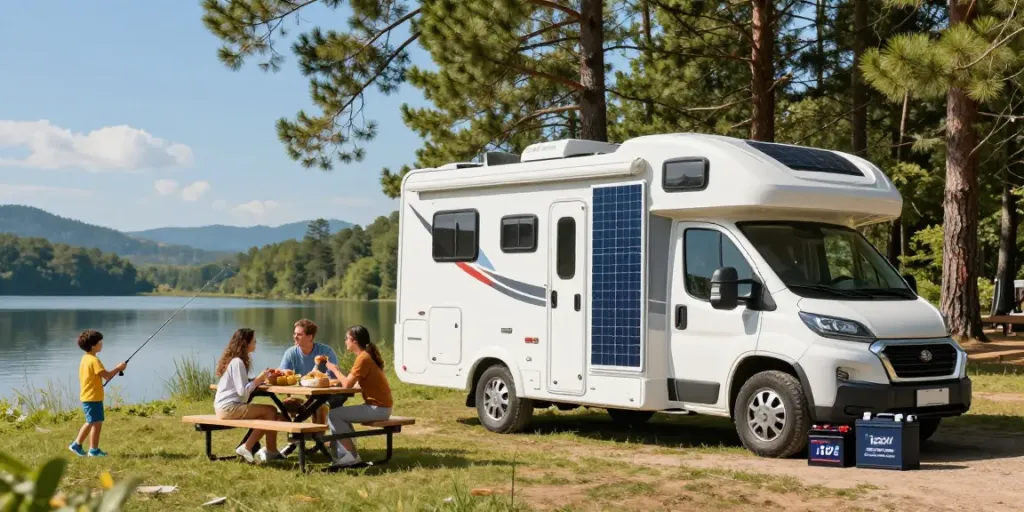

Understanding Lithium RV Batteries
As the world of outdoor adventures and off-grid living continues to evolve, the demand for efficient, reliable power sources has surged. Among the most notable advancements in energy storage technology is the rise of lithium rv batteries. These batteries are transforming the way RV users approach their electrical needs, offering significant advantages over traditional lead-acid systems. Understanding what makes these batteries unique is essential for anyone looking to enhance their camper or van experience.
What Are Lithium RV Batteries?
Lithium RV batteries utilize lithium iron phosphate (LiFePO4) chemistry, known for its stability and safety compared to other lithium technologies. They are designed specifically for mobile applications, providing a lightweight, high-capacity option that supports a variety of electrical loads commonly found in RVs, trailers, and camper vans. With capacities ranging from 50 Ah to over 460 Ah, lithium batteries cater to various energy demands, making them ideal for extended trips away from traditional power sources.
Key Advantages Over AGM Batteries
When comparing lithium RV batteries to traditional Absorbent Glass Mat (AGM) batteries, several key benefits stand out:
- Weight Reduction: Lithium batteries weigh significantly less than AGM batteries, which can greatly enhance fuel efficiency and overall handling of your RV.
- Deeper Discharges: Lithium batteries can be discharged to about 80-90% of their capacity without damage, whereas AGM batteries typically require a more conservative discharge of around 50%.
- Longevity: The lifespan of lithium batteries can reach up to 10 years with proper care, outlasting AGM batteries by two to four times.
- Steady Voltage Output: Lithium batteries maintain a consistent voltage under load, providing more reliable power for appliances and electronics.
Common Myths About Lithium RV Batteries
Despite their advantages, several misconceptions surround lithium RV batteries:
- Myth 1: They are too expensive. While the upfront cost of lithium batteries is higher, their longevity and performance often yield significant savings in the long run.
- Myth 2: They are unsafe. Modern lithium battery technology incorporates built-in management systems and safety features that mitigate risks.
- Myth 3: Lithium batteries can't be used in cold weather. Many lithium batteries are equipped with self-heating features that allow for safe charging and discharging in low temperatures.
Types of Lithium RV Batteries
When selecting a lithium battery for your RV or camper, understanding the different series available can help tailor your choice to your specific needs:
Elite Series: Features and Best Uses
The Elite Series represents the flagship range of Epoch Batteries, designed for optimal performance in demanding environments. These batteries come equipped with advanced features such as Bluetooth monitoring, Victron integration, and greater energy storage capacity. Ideal for users who require high output and connectivity, the Elite Series is perfect for luxury RVs and long-term travelers.
Pro Series: Performance and Versatility
The Pro Series offers dual-purpose capabilities, enabling users to start their engines and power house loads efficiently. With a robust design suited for both marine and RV applications, this series strikes a balance between performance and affordability, making it a versatile choice for various users.
Essential and Eco Series: Budget-Friendly Options
For budget-conscious travelers, the Essential and Eco Series provide reliable lithium solutions without the additional features that may not be necessary for all users. These lines focus on delivering proven lithium power and energy efficiency, making them great options for casual campers or those new to RVing.
Choosing the Right Lithium RV Battery
Before purchasing a lithium RV battery, several considerations can help ensure you select the best option for your specific application:
Factors to Consider in Sizing
Battery size is critical and often dictated by your energy consumption needs. Begin by calculating your daily energy use, considering all devices and appliances that will run off the battery.
Daily Energy Needs and Appliance Compatibility
Evaluate the power requirements of your essential appliances, such as refrigerators, air conditioners, and lighting. Ensure that your battery choice can accommodate both continuous and peak draw demands.
Environmental Factors and Travel Locations
Consider where you will be traveling. If you’re going to colder climates, look for batteries that offer heating capabilities to ensure reliable power even in freezing temperatures.
Installing Lithium RV Batteries
Proper installation is crucial for safety and performance. Follow these guidelines to ensure a successful setup:
Steps for Safe Installation
Start by disconnecting your old battery system and ensuring that your RV’s electrical system is compatible with lithium technology. This may involve adjusting the settings on your charger and inverter.
Common Installation Mistakes to Avoid
One common mistake is not securing the batteries properly, which can lead to physical hazards during travel. Additionally, failing to adapt the charging system can result in damage or inadequate performance.
Battery Maintenance and Monitoring Tips
Regularly check your battery's state of charge and monitor for any temperature alerts, especially if your battery is equipped with Bluetooth functionality. Keeping the connections clean will also help maintain optimal performance.
Future Trends in RV Battery Technology 2026
The market for RV batteries is rapidly evolving, with several emerging trends poised to enhance performance and usability:
Emerging Technologies in Lithium Batteries
Advancements such as solid-state battery technology could define the future, offering even greater safety, energy density, and lifespan than current lithium implementations.
Impact of Renewable Energy on RV Travel
As more RVers adopt solar power systems, the integration between solar technology and lithium batteries will be crucial for sustainable off-grid living.
Expectations for Battery Lifespan and Performance
With ongoing improvements in battery chemistry, users can expect even longer lifespans from new models. Innovations in thermal management and charging systems are also on the horizon.
Are lithium batteries worth it for an RV?
Considering their longevity, efficiency, and usability, lithium batteries often present a more economical long-term investment when compared to traditional lead-acid options.
What is the best lithium battery for an RV?
The best choice largely depends on your specific needs; however, the Elite Series from Epoch Batteries is highly regarded for its performance and features.
How long will a 12v fridge run on a 100Ah lithium battery?
Typically, a 100Ah lithium battery can run a 12V fridge for about 10-20 hours, depending on the fridge's power consumption and ambient conditions.
Can I replace my RV battery with lithium?
Yes, but ensure that all components in your RV’s electrical system are compatible with lithium batteries to avoid potential issues during operation.