
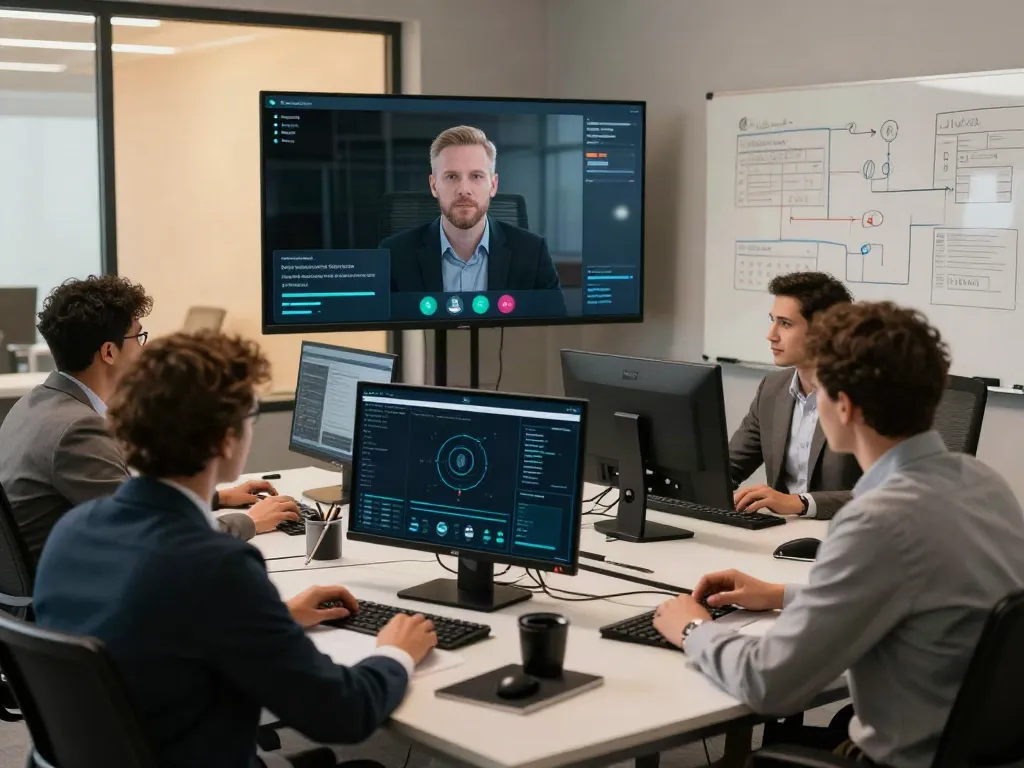
Understanding Deepfake Technology and Its Implications
As technology advances, the emergence of deepfake technology poses unique challenges and risks, especially in the realm of virtual meetings. Deepfake technology utilizes artificial intelligence to create hyper-realistic fake videos or audio that can convincingly mimic real individuals. In the context of corporate meetings, this technology has the potential to disrupt communications, leading to fraud, misinformation, and security breaches. Deepfake-protected meetings have become essential as organizations strive to maintain trust and security in their digital interactions.
What Defines Deepfake Technology?
Deepfake technology leverages deep learning techniques to manipulate video and audio, making it possible to create content that appears authentic. This technology works by analyzing an individual's facial expressions and voice patterns, then replicating them in a digital format. The result is a convincing impersonation that can be used maliciously in various contexts, including corporate settings. Understanding the mechanics of deepfakes is crucial for organizations aiming to secure their virtual environments.
Potential Risks of Deepfake-Enhanced Meetings
The rise of deepfake technology presents several risks for organizations holding virtual meetings. One significant concern is the potential for fraud, where attackers can impersonate executives or decision-makers to gain unauthorized access to sensitive information. Additionally, deepfakes can undermine trust in communication, leading to a general skepticism about the authenticity of video calls. This erosion of trust can have long-lasting effects on business relationships and decision-making processes.
Identifying Common Misconceptions About Deepfakes
Many people associate deepfakes solely with entertainment or social media pranks; however, the implications of this technology extend far beyond those realms. A common misconception is that deepfakes are easy to spot, but advancements in AI have made detection increasingly difficult. Moreover, not all deepfakes are created with malicious intent; they can also be used for legitimate purposes, such as creating realistic simulations for training. Recognizing these nuances is vital for organizations aiming to safeguard their digital communications.
Key Features of Deepfake-Protected Meetings
Implementing deepfake protection in meetings involves utilizing advanced technologies and best practices to ensure the integrity of communications. Organizations can leverage tools designed to detect deepfake content in real-time, allowing participants to verify the authenticity of those involved in virtual conversations. Enhancing security measures and employee training plays a crucial role in fostering a culture of vigilance against potential attacks.
Essential Tools for Deepfake Detection
To combat the risks associated with deepfake technology, organizations should invest in tools designed specifically for deepfake detection. Solutions such as AI-driven algorithms can analyze video feeds for inconsistencies that may indicate a deepfake. Additionally, software that enhances video quality can help verify identities by comparing real-time footage with stored image data. By incorporating these tools, organizations can significantly reduce their vulnerability to impersonation attacks.
Integrating AI Solutions to Enhance Meeting Security
Artificial intelligence is at the forefront of developing robust security measures that can detect deepfakes. These solutions not only monitor audio-visual content but also offer predictive analytics to foresee potential threats. Implementing AI-driven security tools allows organizations to maintain the integrity of their meetings, ensuring that every participant is who they claim to be, thus instilling confidence in the communication process.
Best Practices for Secure Virtual Interactions
- Implement Multi-Factor Authentication: Requiring additional verification methods can prevent unauthorized access.
- Regularly Train Employees: Conduct training sessions focused on recognizing deepfakes and adopting secure communication practices.
- Use Encrypted Meeting Platforms: Protecting data during transmission is critical to ensure that conversations cannot be intercepted.
- Limit Meeting Access: Only invite essential participants and require a verified identity before joining discussions.
Implementing Best Practices for Deepfake Security
Organizations must establish comprehensive strategies to protect their virtual meetings from deepfake threats. Implementing best practices involves a multi-faceted approach that prioritizes technology, training, and policy.
Step-by-Step Guide to Protecting Your Meetings
To effectively secure meetings against deepfake technology, organizations should follow a systematic approach:
- Assess the current security measures and identify potential vulnerabilities.
- Invest in deepfake detection tools and training for all employees.
- Establish clear policies regarding virtual communication protocols and incident response.
- Conduct regular audits of meeting security and update tools as needed.
Real-World Examples of Effective Deepfake Mitigation
Several organizations have successfully implemented measures to combat deepfake threats. For instance, a major financial institution adopted an AI-driven identity verification system that flags suspicious behavior during meetings. This proactive approach not only protects sensitive information but also enhances overall trust within the organization.
Common Challenges in Securing Meetings
Despite advancements in technology, organizations face challenges in securing virtual meetings. One primary obstacle is the rapid evolution of deepfake techniques, which makes it difficult for existing tools to keep pace. Additionally, educating employees about deepfake risks and ensuring they remain vigilant is an ongoing challenge that requires continual effort and resources.
Measuring the Effectiveness of Deepfake Protections
To determine the success of deepfake protection measures, organizations need to establish metrics that assess security effectiveness and user experience.
Key Performance Indicators for Meeting Security
Implementing key performance indicators (KPIs) can help organizations gauge the effectiveness of their deepfake protections. Metrics such as the number of detected threats, user feedback on meeting security, and incident response times should be monitored regularly. By analyzing these data points, organizations can make informed decisions to enhance their security strategies.
Evaluating User Experience in Deepfake-Protected Environments
While security is paramount, user experience should not be overlooked. Organizations need to seek feedback from meeting participants regarding the ease of use and perceived security of the implemented solutions. Addressing concerns and making adjustments to improve user experience can encourage broader acceptance of security measures.
Feedback Mechanisms to Enhance Security Features
Creating open channels for feedback allows employees to voice their experiences with deepfake protections. This feedback can provide valuable insights for refining security protocols and identifying potential areas for improvement. Regularly engaging employees in this manner fosters a culture of collaboration and vigilance.
Future Trends in Deepfake Technology and Meeting Security
Looking ahead, emerging trends in deepfake technology will continue to shape the landscape of meeting security. Staying informed about these trends is essential for organizations to adapt and evolve their security strategies accordingly.
Emerging Technologies in Deepfake Detection
As AI and machine learning continue to advance, new technologies will emerge, offering improved detection capabilities for deepfakes. Innovations such as blockchain for verifying video authenticity or enhanced biometric verification methods may become integral parts of secure meeting frameworks.
Predictions for Deepfake-Protected Meetings in 2026
By 2026, the landscape of deepfake protection will likely include more automated safeguards, making it easier for organizations to monitor and manage virtual interactions. Additionally, the use of decentralized security measures could provide more robust protection against impersonation attempts, ensuring the authenticity of all meeting participants.
Industry Expert Insights on Staying Ahead of Threats
To stay ahead of deepfake threats, industry experts recommend continuous training and awareness programs for employees. Furthermore, organizations should invest in research to understand new deepfake technologies and their implications. Collaborating with cybersecurity professionals can also enhance the ability to identify and respond to evolving threats effectively.
What are the best tools for detecting deepfakes in meetings?
Several tools stand out in the fight against deepfakes, including AI-driven platforms that offer real-time analysis during meetings. These tools can detect discrepancies in voice and facial movements, making them invaluable for organizations seeking to enhance their meeting security.
How can I ensure data privacy during virtual meetings?
To ensure data privacy, organizations must utilize encrypted communication channels, conduct regular security audits, and establish strict access controls for virtual meeting rooms. Employing these measures helps protect sensitive information from unauthorized access.
What are the legal implications of using deepfake technology?
The legal implications of deepfake technology are complex and continue to unfold as technology evolves. Organizations must understand the regulations governing the use of synthetic media, especially in contexts where deepfakes could mislead or deceive stakeholders.