
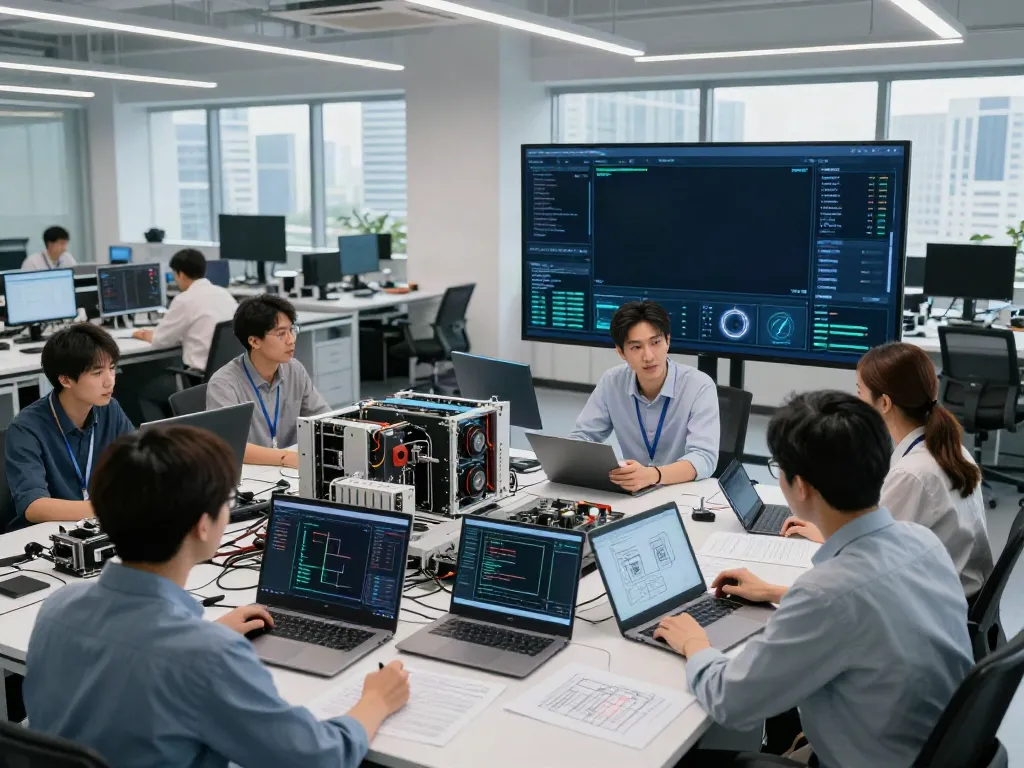
Understanding AI Infrastructure
As artificial intelligence (AI) continues to advance and infiltrate various sectors, the demand for robust AI infrastructure has become more crucial than ever. The foundation upon which AI models operate requires a harmonious blend of hardware, software, and energy resources. Powering these systems effectively is not just a technical necessity but a strategic imperative for organizations vying to excel in the AI landscape. When exploring options, AI infrastructure provides comprehensive insights into meeting these demands efficiently.
What is AI Infrastructure?
AI infrastructure encompasses all the essential components needed to develop, deploy, and manage AI models. It includes hardware such as GPUs, networking equipment, and storage solutions, along with software frameworks and data management tools. This infrastructure acts as the backbone of AI applications, allowing them to process vast amounts of data and perform complex computations at scale.
Key Components of AI Infrastructure
- Hardware: This includes high-performance computing hardware like dedicated GPUs and TPUs that provide the necessary computational power for AI models.
- Storage Solutions: Efficient data storage systems, such as SSDs and cloud storage, that can manage the large datasets AI systems require.
- Networking: High-speed networks that facilitate data transfer between storage, computing nodes, and users.
- Software Frameworks: Tools like TensorFlow and PyTorch that help developers build and train AI models effectively.
How AI Infrastructure Supports AI Token Economy
The AI Token Economy relies on the effective processing of tokens, which measure AI workloads. Each interaction with an AI model generates input tokens, which the system processes to output tokens. This interplay underscores the necessity for a well-structured AI infrastructure that can efficiently manage these tokens while ensuring minimal energy consumption and maximizing performance.
The Importance of Power in AI Infrastructure
The performance and efficiency of AI applications are deeply intertwined with their power management strategies. As AI workloads increase in complexity, the need for reliable and scalable energy solutions becomes paramount.
Energy Consumption and AI Workloads
AI models consume large amounts of electricity, especially during training and inference phases. High-density GPU clusters, central to AI operations, require continuous and stable power supply. Understanding energy consumption patterns helps organizations optimize costs while ensuring operational efficiency.
How to Choose a Power Plan for AI Infrastructure
When selecting a power plan for AI infrastructure, organizations must consider their specific workloads, energy consumption rates, and cost efficiency. Plans should be tailored to match the operational characteristics of AI workloads, providing scalability as demand fluctuates.
Real-World Impacts of Power Management
Effective power management leads not only to cost savings but also enhances the sustainability of AI operations. By utilizing renewable energy sources and efficient energy practices, AI infrastructure can significantly reduce its carbon footprint while remaining economically viable.
Challenges in Building AI Infrastructure
While the potential of AI infrastructure is vast, there are several hurdles that organizations must navigate to build effective systems.
Common Misconceptions About AI Infrastructure
One prevalent misconception is that only large enterprises can afford sophisticated AI infrastructure. However, with advancements in cloud computing and shared resources, smaller organizations can also leverage powerful AI capabilities without the need for heavy upfront investments.
Overcoming Energy Efficiency Challenges
Energy efficiency remains a critical challenge as AI workloads increase. Organizations must invest in energy-efficient hardware and employ smart software solutions that dynamically adjust power consumption based on workload demands.
Integrating Existing Systems with New AI Infrastructure
Many organizations face integration issues when attaching new AI capabilities to legacy systems. To mitigate this, businesses should adopt modular designs that allow for gradual upgrades without overhauling entire systems.
Strategies for Optimizing AI Infrastructure
Optimizing AI infrastructure is essential for maximizing its effectiveness and ensuring sustainability. Here are key strategies organizations can implement.
Best Practices for Energy Management
- Monitor energy consumption regularly to identify inefficiencies.
- Invest in energy-efficient hardware and cooling solutions.
- Consider renewable energy sources to power AI operations.
Innovative Technologies Driving AI Infrastructure
Innovations such as edge computing, AI-driven energy management systems, and advanced cooling technologies are revolutionizing how AI infrastructure operates. These technologies not only enhance performance but also contribute to effective energy management.
Evaluating Performance Metrics and Success Indicators
Organizations should establish clear metrics to assess the performance of their AI infrastructure, focusing on both computational efficiency and energy consumption. Metrics can include energy usage effectiveness (EUE), return on investment (ROI), and overall system uptime.
Future Trends in AI Infrastructure for 2026
As we look forward, several trends are poised to shape the evolution of AI infrastructure in the coming years.
Predictions for AI Infrastructure Development
We anticipate the emergence of more collaborative platforms that allow for sharing power and AI resources across organizations, enabling smaller players to participate in the AI Token Economy.
The Role of Sustainability in AI Infrastructure
Renewable energy sources will become increasingly integrated into AI infrastructure, not just as an ethical responsibility but as a cost-effective measure. Companies will prioritize sustainability in their energy sourcing strategies.
Emerging Technologies Shaping AI Ecosystems
New developments in quantum computing and neural networks promise to revolutionize AI capabilities, but they will also demand new approaches to power management and infrastructure design.
What is the AI infrastructure's relationship with the economy?
The efficiency and scalability of AI infrastructure directly impact economic performance across sectors. A robust AI infrastructure means faster and more accurately processed data, leading to improved services and innovation in business practices.
How can individuals participate in the AI infrastructure?
Individuals can get involved by choosing AI infrastructure power plans that support AI factory operations. These plans allow participants to contribute to the power needed for AI workloads while potentially earning rewards based on their contributions.
What are the latest advancements in AI infrastructure?
Recent advancements include the integration of artificial intelligence in power management systems, which optimize energy usage automatically based on current workload demands, and innovations in cooling technologies that significantly reduce energy expenditures.