Understanding Smart Home Technology
In today's fast-paced world, integrating smart home technology has become essential for enhancing convenience, efficiency, and security in our living spaces. The concept of a smart home, particularly as represented by brands like خانه هوشمند جهان اسمارت, revolves around connecting devices and systems that can be controlled remotely or operate autonomously. This transformative approach not only simplifies daily tasks but also helps in energy conservation and increases overall quality of life.
What is خانه هوشمند جهان اسمارت?
خانه هوشمند جهان اسمارت is a pioneering brand in smart home solutions, offering a wide range of products that integrate cutting-edge technology into household systems. These solutions encompass everything from smart locks and lighting to advanced audio systems and climate control devices. The goal of such an ecosystem is to create a seamless and intuitive user experience, allowing homeowners to control their living environments effortlessly.
Key Components of a Smart Home
To understand the value of smart home technology, it's essential to familiarize yourself with its key components:
- Smart Locks: These provide advanced security features such as keyless entry and remote access.
- Smart Lighting: Automated lighting systems can be programmed to turn on/off based on occupancy or time of day.
- Smart Thermostats: These devices learn user preferences and optimize energy usage for heating and cooling.
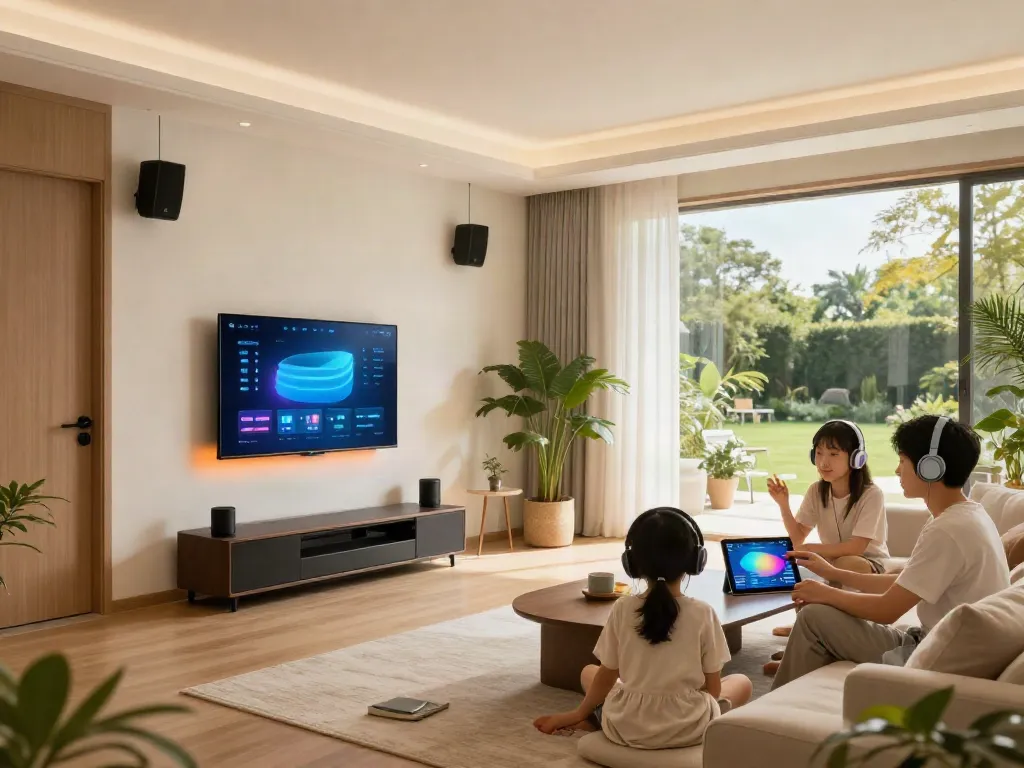
- Smart Audio Systems: Integrated systems that allow for seamless music streaming and control throughout the home.
- Smart Security Cameras: Remote monitoring of your property directly from your smartphone.
The Benefits of Smart Home Automation
The advantages of adopting smart home technology are compelling:
- Increased Convenience: Controls for various home systems can be centralized through a single app.
- Enhanced Security: Real-time monitoring and alerts keep homeowners informed and secure.
- Energy Efficiency: Smart devices can minimize energy consumption, leading to lower utility bills.
- Improved Quality of Life: Automation allows for comfortable living environments tailored to personal preferences.
Choosing the Right Smart Products
When it comes to choosing smart products, understanding your requirements and preferences plays a crucial role. Evaluating compatibility with existing systems and considering future upgrades can guide you toward the best choices.
Essential Smart Devices for Home Automation
Some indispensable smart devices include:
- Smart Speakers: For hands-free control of other smart devices and music streaming.
- Smart Plugs: Control power to any device remotely.
- Smart Sensors: Detects motion or changes in temperature and humidity.
Comparing Brands and Technologies
There are numerous brands available in the market, each offering different technologies, features, and price points. Conduct thorough research and compare these factors:
- Brand Reputation: Long-standing brands often provide reliable products and customer service.
- Technology Compatibility: Ensure the products work seamlessly with your existing systems.
- Customer Reviews: Reading experiences from existing users can provide insight into product performance.
Cost Considerations for Smart Solutions
The initial investment in smart home technology can vary widely. Consider both upfront costs and long-term savings through reduced energy bills and increased property value. A thoughtful approach can help maximize your budget.
Implementation Strategies for Smart Homes
Successfully integrating smart technology into your home involves careful planning and execution. An organized approach will lead to a more effective smart home experience.
Step-by-Step Installation Guide
Installing smart devices typically follows a standardized process:
- Identify the areas in your home you wish to automate.
- Select compatible smart products based on your needs.
- Follow installation instructions provided by the manufacturer or seek professional help.
- Connect devices to your home network and test functionality.
Best Practices for Smart Home Integration
To ensure a smooth integration, adhere to these best practices:
- Keep the firmware of all devices updated for security and performance enhancements.
- Regularly review and optimize configurations based on changing needs or new technologies.
- Maintain a backup plan for security and functionality in case of network failures.
Common Challenges and How to Overcome Them
Integrating smart technology can come with its own set of challenges, including:
- Compatibility Issues: Ensure that new devices complement existing systems.
- Network Security: Implement strong passwords and encryption to protect your network.
- User Adoption: Educate all household members on how to use new systems effectively.
Enhancing Home Security with Smart Technology
One of the key reasons homeowners invest in smart home technology is for enhanced security. Smart devices can significantly bolster the safety of your living environment.
Smart Locks and Security Systems Overview
Smart locks offer a high level of security through features like remote access and real-time alerts. Coupled with an integrated security system, they create a comprehensive solution for home safety.
Using Surveillance Cameras and Alarms Effectively
Surveillance cameras provide visual monitoring both indoors and outdoors. When integrated into a smart security system, they can be set to send alerts directly to your smartphone, ensuring you stay informed of any unusual activities.
Remote Monitoring and Control Techniques
Smart technology allows homeowners to monitor their properties remotely. Whether checking in on children after school or ensuring the door is locked, having remote access provides peace of mind.
Future Trends in Smart Home Technology
The landscape of smart home technology is continually evolving, with exciting trends on the horizon for 2026 and beyond.
Innovative Developments to Watch in 2026
Expect significant advancements in artificial intelligence, allowing devices to learn user habits and preferences more effectively. Enhanced natural language processing in smart speakers and devices will also improve user interaction.
Sustainability and Energy Efficiency in Smart Homes
New technologies will increasingly focus on reducing the carbon footprint. Smart devices that monitor energy consumption and promote renewable energy usage will dominate the market.
User Experience and AI Integration
Future smart homes will enhance user experience through intuitive interfaces and seamless integration among devices. The focus will shift towards creating a personalized environment that adapts to individual lifestyles.
What are the benefits of smart home technology?
Smart home technology offers numerous benefits, including increased convenience, improved security, energy efficiency, and enhanced quality of life through automation.
How can I start my smart home journey?
Begin by identifying your specific needs and preferences, researching compatible products, and selecting the necessary devices to create your ideal smart home.
What products are essential for a smart home?
Essential products for a smart home include smart lights, smart locks, smart thermostats, and smart surveillance systems, among others.
How do smart locks enhance security?
Smart locks enhance security by providing keyless entry, remote access control, and real-time notifications for any unauthorized access attempts.
What future trends should I be aware of in smart homes?
Future trends to watch include increased AI integration, enhanced sustainability measures, and smarter user interfaces that improve the overall user experience.