Understanding the Mini Split of Air Conditioner
As modern living spaces evolve, the demand for efficient heating and cooling solutions increases. Mini split of air conditioner systems have emerged as a popular choice due to their flexibility, energy efficiency, and minimal installation requirements. These systems are particularly advantageous for urban dwellers and homeowners looking to optimize comfort without the need for ductwork. In this article, we’ll explore their functionality, benefits, components, and installation considerations to help you make an informed decision.
What is a Mini Split System?
A mini split system, also known as a ductless air conditioning system, is an HVAC solution designed to provide targeted heating and cooling for specific rooms or zones within a home. Unlike traditional central air conditioning systems that rely on ductwork to distribute air throughout the house, mini splits consist of an outdoor compressor unit and one or multiple indoor air-handling units. This design allows for greater flexibility in installation and ease of use, as each indoor unit can be controlled independently, allowing homeowners to only cool or heat the spaces they are occupying.
Benefits of Mini Split Air Conditioners
- Energy Efficiency: Mini split systems typically have higher energy efficiency ratings compared to conventional HVAC systems. They utilize inverter technology, which allows the compressor to operate at varying speeds, reducing energy consumption.
- Flexibility: These systems can be installed in a variety of configurations to suit different spaces, making them ideal for homes without ductwork, additions, or converted spaces like attics and garages.
- Improved Air Quality: Mini splits often feature advanced filtration systems that can help improve indoor air quality by reducing allergens and dust particles.
- Quiet Operation: The outdoor compressor minimizes noise indoors, making mini split systems ideal for bedrooms and living areas.
Components of a Mini Split System
A typical mini split system consists of several key components:
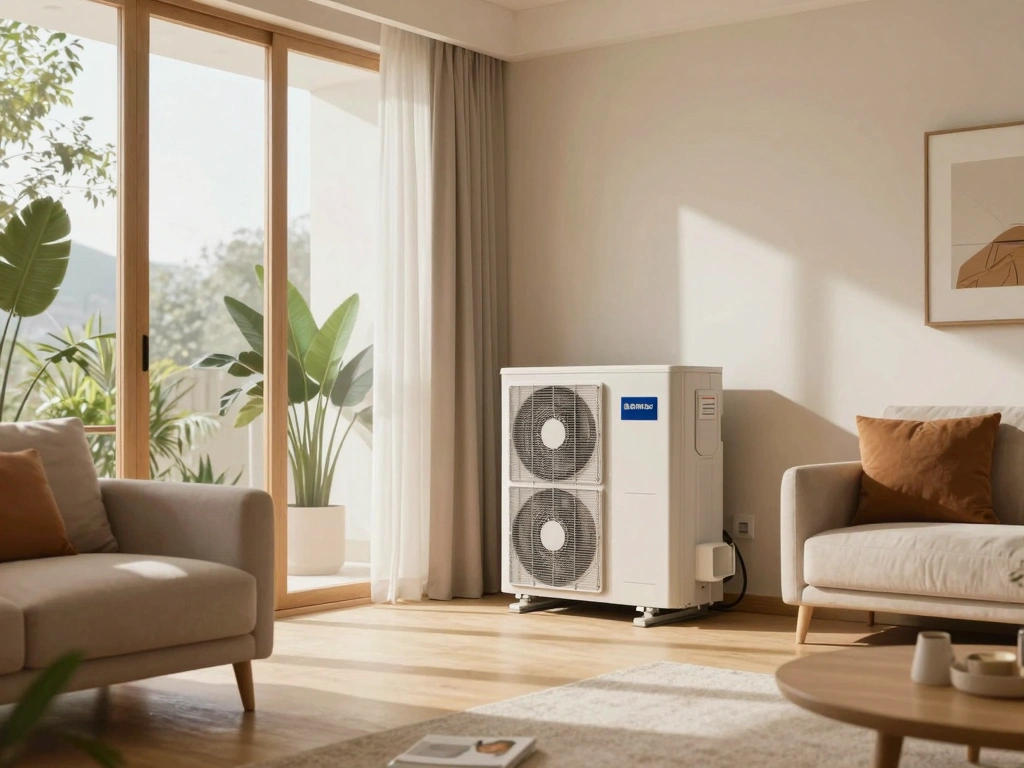
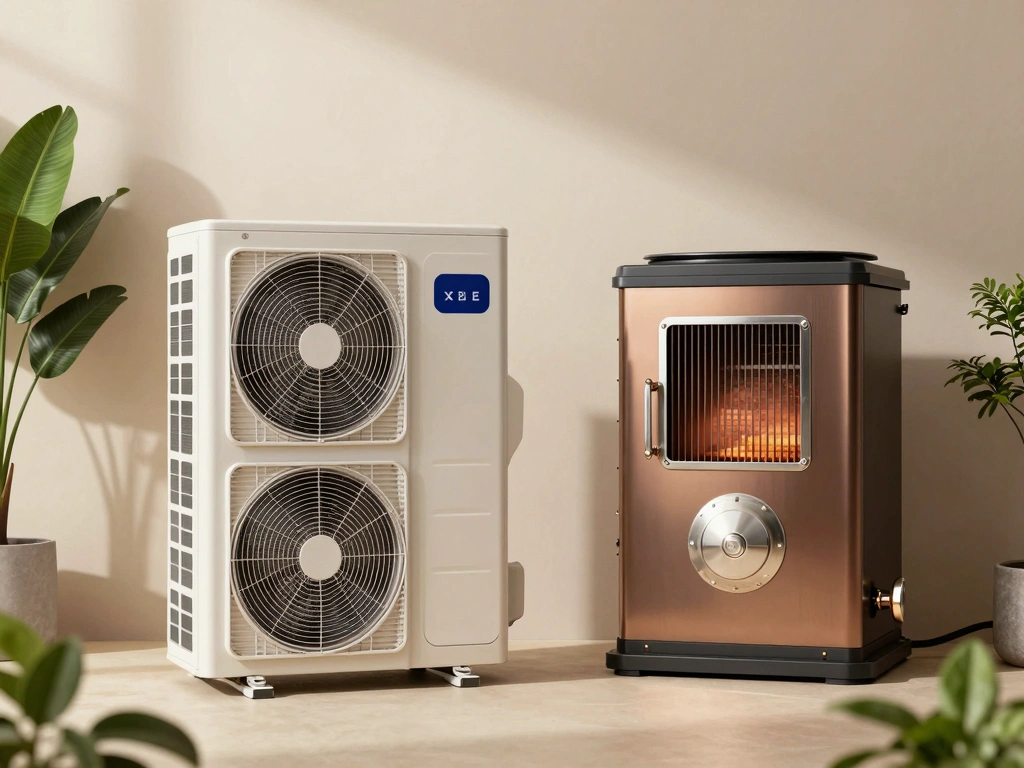
- Outdoor Unit: This unit houses the compressor and condenser, which work together to expel heat from your home.
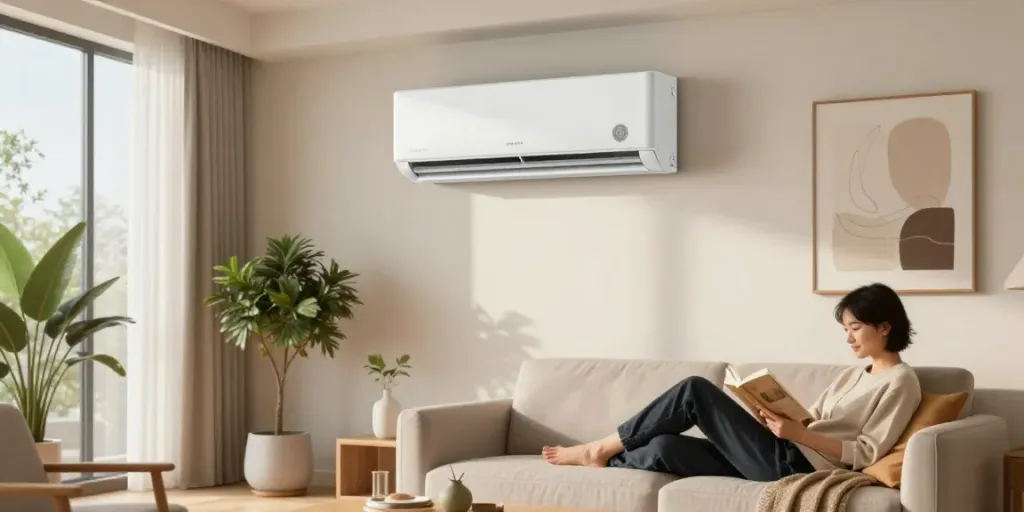
- Indoor Units: Each indoor unit is responsible for distributing conditioned air into the living space. They can be wall-mounted, ceiling-mounted, or even floor-mounted, depending on the layout of the room.
- Refrigerant Lines: These insulated lines connect the outdoor unit to the indoor units and transport refrigerant, allowing for heat exchange.
- Remote Control or Smart Thermostat: Most mini splits come with a remote control, and many modern units offer smart home compatibility for enhanced convenience.
Choosing the Right Mini Split for Your Space
Before investing in a mini split system, it's essential to select one that meets your specific needs and fits your space. Proper assessment will ensure optimal performance and energy savings over time.
Assessing Room Size and Layout
Understanding the size and layout of the room or area you intend to cool or heat is critical. HVAC professionals often use BTUs (British Thermal Units) to measure the cooling or heating capacity necessary for a given space. Consider factors such as:
- Room dimensions (length, width, height)
- Insulation quality
- Sun exposure and shading
- Number of occupants and appliances generating heat
Key Features to Consider
When choosing a mini split, pay attention to the following features:
- Energy Efficiency Ratio (EER): Look for units with a high EER rating to ensure lower energy bills.
- Multi-Zone Capability: If you plan to cool or heat multiple rooms, select a system designed to manage multiple indoor units.
- Smart Technology: Some models offer Wi-Fi connectivity for remote management via smartphone apps.
- Noise Level: Check the decibel rating of indoor and outdoor units; quieter options enhance comfort.
Comparing Brands and Models
There are numerous brands and models available in the market, each with its unique features and pricing. Consider factors such as warranty, customer service reputation, and user reviews to determine which brand aligns best with your needs. Leading brands like Mitsubishi, Fujitsu, and Daikin are known for their reliability and efficiency.
Installation Process for Mini Split Systems
Installing a mini split system can be straightforward, but it is crucial to follow proper procedures to ensure optimal performance. Homeowners should decide between hiring professionals or opting for a DIY approach, depending on their skill level and comfort with home improvement projects.
Hiring Professionals vs. DIY Installation
Hiring a licensed HVAC contractor is recommended for those unfamiliar with electrical or refrigerant handling. Professionals ensure that the installation complies with local codes and performs a thorough assessment of the space. However, some homeowners may choose a DIY installation for cost savings, especially with easy-to-install models designed for the DIY market.
Steps to Install a Mini Split Air Conditioner
- Choose mounting locations for both indoor and outdoor units.
- Drill holes for the refrigerant lines and electrical wiring.
- Mount the indoor unit securely to the wall or ceiling.
- Install the outdoor unit on a sturdy surface.
- Connect the refrigerant lines and power source following the manufacturer's instructions.
- Test the system to ensure it is functioning correctly.
Common Installation Mistakes to Avoid
When installing a mini split system, avoid these common pitfalls:
- Incorrect placement of indoor units, which can lead to uneven temperature distribution.
- Failing to insulate refrigerant lines properly, resulting in energy loss.
- Neglecting to check local building codes and regulations that may affect installation.
- Skimping on sealants or fasteners, leading to air leaks and reduced efficiency.
Maintenance Guidelines for Longevity
To extend the lifespan of your mini split system and maintain optimal performance, regular maintenance is essential. Here’s how to ensure your unit operates efficiently year-round.
Regular Cleaning and Servicing
Plan for periodic cleaning of filters, coils, and fan blades to prevent dust and dirt buildup. Homeowners should also schedule professional servicing at least once a year, where technicians can inspect refrigerant levels and check for leaks.
Troubleshooting Common Issues
Some common issues you may encounter include:
- Inadequate cooling or heating—often caused by dirty filters or refrigerant leaks.
- Strange noises—could indicate loose components or issues with the fans.
- Foul odors—may be a sign of mold or mildew in the indoor unit.
Extending the Lifespan of Your Unit
To ensure your mini split system lasts longer, consider these tips:
- Always replace or clean filters every 1-3 months, depending on usage.
- Keep outdoor units clear of debris and vegetation.
- Install a programmable thermostat for better energy management.
Future Trends in Mini Split Technology
The HVAC industry continues to innovate, and mini split systems are at the forefront of these advancements, aiming for increased energy efficiency and user-friendly features.
Energy-Efficiency Improvements
With rising energy costs and environmental concerns, manufacturers are focusing on creating units with higher SEER (Seasonal Energy Efficiency Ratio) ratings. These advancements not only reduce operating costs but also contribute to a more sustainable future.
Smart Features in 2026 Models
As smart home technology becomes more prevalent, many new mini split systems are equipped with smart thermostats, voice control capabilities, and integration with home automation systems. This allows homeowners enhanced control over their indoor climate.
Impact of Climate Change on HVAC Technology
As climate change accelerates, HVAC technology, including mini splits, will adapt to handle more extreme temperatures. This may involve advancements in heat pump technology and solar integration to ensure efficiency and reliability.
What Are the Downsides of a Mini-Split AC System?
Though mini splits offer numerous benefits, they do have some drawbacks:
- Higher upfront costs compared to traditional systems.
- Installation can be complex, especially for multi-zone systems.
- Indoor units may be less aesthetically pleasing due to their visible presence.
Why is My Electric Bill So High with Mini Split?
If you notice a spike in your electric bill, consider the following factors:
- High usage during peak summer months can lead to increased costs.
- Improperly maintained units may consume more energy than necessary.
- Insufficient insulation in your home can cause the system to work harder.
Are Mini Splits Good for Air Conditioning?
Yes, mini splits are highly effective for air conditioning. They provide precise temperature control, are energy efficient, and allow for individual room cooling and heating. This versatility makes them a suitable choice for various living situations.