
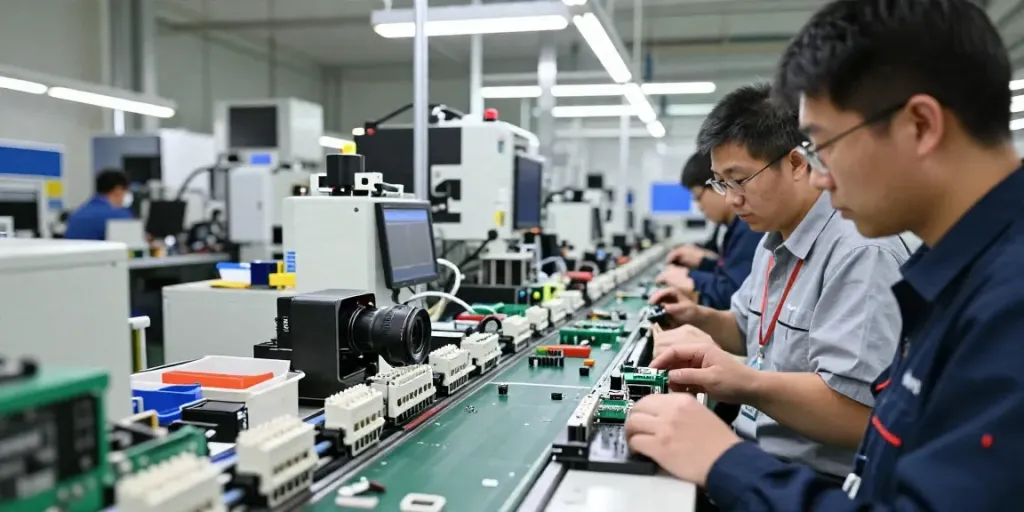
The Role of an Electronic Components Supplier in Modern Manufacturing
In the fast-paced world of modern manufacturing, the role of an Electronic components supplier is critical. These suppliers provide not only the essential components that power devices but also play a significant part in streamlining the production processes of various industries. With the rise of automation and smart technologies, manufacturers are increasingly reliant on suppliers who can deliver high-quality, compliant components rapidly and consistently. This article delves into the functions, advantages, and future trends of electronic components supply, particularly in the context of the evolving market landscape.
Understanding Electronic Components and Their Applications
Electronic components are fundamental building blocks used in a wide array of electronic devices, from simple household appliances to complex industrial machinery. Common components include resistors, capacitors, connectors, and switches, which collectively enable electrical devices to operate as intended. For instance, connectors such as IEC connectors are crucial for linking power to appliances, adhering to international safety standards set by the International Electrotechnical Commission (IEC).
In addition to IEC connectors, other components like power cords, electromechanical switches, and relay sockets serve essential roles in various applications:
- Power Cords: These provide the necessary power link between the electrical supply and devices, often coming with features that enhance safety and durability.
- Electromechanical Switches: These switches provide a physical method for opening and closing circuits, allowing users to easily turn devices on and off without unplugging them.
- Relay Sockets: Used in automation and control circuits, relay sockets enable efficient wiring and connection of relay systems, enhancing safety and reliability.
Why Quality Matters in Component Supply
The quality of electronic components directly influences the performance and reliability of the end products. Manufacturers must ensure that components not only meet technical specifications but also comply with regulatory standards. Quality control begins at the supplier level, where rigorous testing and inspection processes are employed. Factors that contribute to the quality of components include:
- Materials Used: High-quality materials reduce the risk of component failure and enhance device longevity.
- Manufacturing Processes: Advanced manufacturing technologies ensure precision and consistency in component production.
- Testing Protocols: Comprehensive testing, including in-process inspections and final assessments, guarantees that products meet the required specifications.
The Importance of Certification Standards
In today's global market, certifications play a vital role in establishing trust and credibility among suppliers and manufacturers. Certifications such as UL, CE, RoHS, and REACH ensure that the products meet safety, health, and environmental standards. These certifications not only facilitate international trade but also reassure customers about the product quality and safety. For instance, UL-certified products undergo rigorous testing to ensure they are safe for consumer use, which can significantly impact a manufacturer's reputation.
Key Products Offered by Electronic Components Suppliers
Electronic components suppliers like LANZ Electronics provide a diverse range of products designed to meet various industrial needs. Each product category serves distinct functions, enhancing the overall reliability and efficiency of electrical systems.
IEC Connectors – The Backbone of Electrical Connectivity
IEC connectors are vital in connecting electrical equipment to the power supply. They ensure safe and reliable performance for devices that operate under specific voltage and current specifications. LANZ offers a wide range of IEC connectors, which are designed to meet the stringent requirements of international standards. Their versatility makes them suitable for diverse applications, from consumer electronics to industrial automation.
Power Cords and Their Essential Features
Power cords equipped with IEC C and CEE connectors are critical for ensuring a safe and steady supply of electricity to devices. LANZ's power cords are manufactured from durable materials such as PVC, rubber, and TPE, ensuring they can withstand harsh environments while maintaining performance integrity. The cords are tested to meet international safety standards, which is crucial for industrial and commercial applications.
Electromechanical Switches: Enhancing User Experience
Electromechanical switches produced by LANZ are designed for reliability and ease of use. These switches allow users to conveniently control electrical devices without needing to unplug them constantly. By integrating these switches into power supplies and equipment, manufacturers can enhance the overall user experience, leading to increased customer satisfaction and safety.
How to Choose the Right Electronic Components Supplier
Selecting the right electronic components supplier can significantly impact manufacturing efficiency and product quality. Here are key considerations to ensure you make an informed decision:
Evaluating Supplier Certifications and Standards
Understanding the certification status of potential suppliers is crucial. Certifications such as ISO, UL, and CE indicate adherence to quality standards and safety regulations. A supplier that maintains multiple certifications demonstrates their commitment to quality and reliability, making them a more trustworthy partner.
Assessing Manufacturing Capabilities and Product Range
Review the supplier's manufacturing capabilities, including production volume and technology used. A capable supplier should possess advanced machinery and processes that enhance production efficiency while maintaining quality. Furthermore, a broad product range indicates their ability to meet diverse customer needs, which is particularly important for OEMs seeking customized solutions.
Understanding Terms of Service and Support
It's essential to thoroughly review the terms of service, including payment options, delivery timelines, and support services. Suppliers that offer 24/7 customer support and have dedicated account management demonstrate a commitment to their customers, which can be invaluable for resolving issues quickly and effectively.
Maximizing Efficiency with Custom Engineering Solutions
Custom engineering solutions are integral for businesses that need specific components tailored to their operational requirements. Suppliers like LANZ Electronics offer customization to meet unique specifications and enhance overall product performance.
Benefits of Customization in Electronic Components
Customization allows manufacturers to create components that align with their product designs and operational processes. Benefits include:
- Optimized Performance: Tailored components can enhance the performance of end products, providing a competitive edge.
- Cost Efficiency: Manufacturers can avoid overproduction or wasted resources by ordering components that meet their precise needs.
- Branding Opportunities: Customized components support brand recognition, especially when suppliers offer OEM branding options.
Case Studies: Success Stories from Various Industries
Illustrating the effectiveness of custom solutions, several industries have leveraged tailored electronic components to enhance performance. For example, a major automotive manufacturer implemented custom wire harnesses designed by LANZ to improve the efficiency of their electric vehicles' charging infrastructure. This resulted in a marked increase in reliability and customer satisfaction, demonstrating the substantial benefits of customization.
Best Practices for Implementing Custom Solutions
To successfully implement custom solutions, manufacturers should follow these best practices:
- Collaborate Early: Involve suppliers in the design phase to leverage their expertise in component capabilities.
- Conduct Thorough Testing: Ensure that custom components undergo rigorous testing to meet all performance and safety standards.
- Monitor Feedback: Gather user feedback to refine and improve custom solutions for ongoing projects.
The Future of Electronic Components Supply in 2026 and Beyond
The landscape of electronic component supply is constantly evolving, influenced by technological advancements and changing market dynamics. By 2026, several key trends are expected to shape the industry:
Emerging Technologies Impacting the Industry
Innovations such as IoT, AI, and automation are driving demand for more advanced electronic components that offer enhanced connectivity and performance. Suppliers need to keep pace with these trends by investing in research and development to remain competitive.
Trends Shaping the Future of Manufacturing and Supply Chains
As manufacturing processes embrace digital transformation, supply chains are becoming more interconnected. This shift towards digitization will encourage suppliers to adopt smart technologies that streamline operations and enhance transparency. Blockchain and advanced data analytics will enable better tracking and management of component sourcing, improving overall efficiency.
Preparing for Changes in Global Trade and Supply Challenges
With potential fluctuations in global trade policies, suppliers must be agile and adaptable to changing conditions. Diversifying supply chains and developing multiple sourcing strategies can mitigate risks associated with trade barriers, ensuring a steady supply of components even in challenging times.