
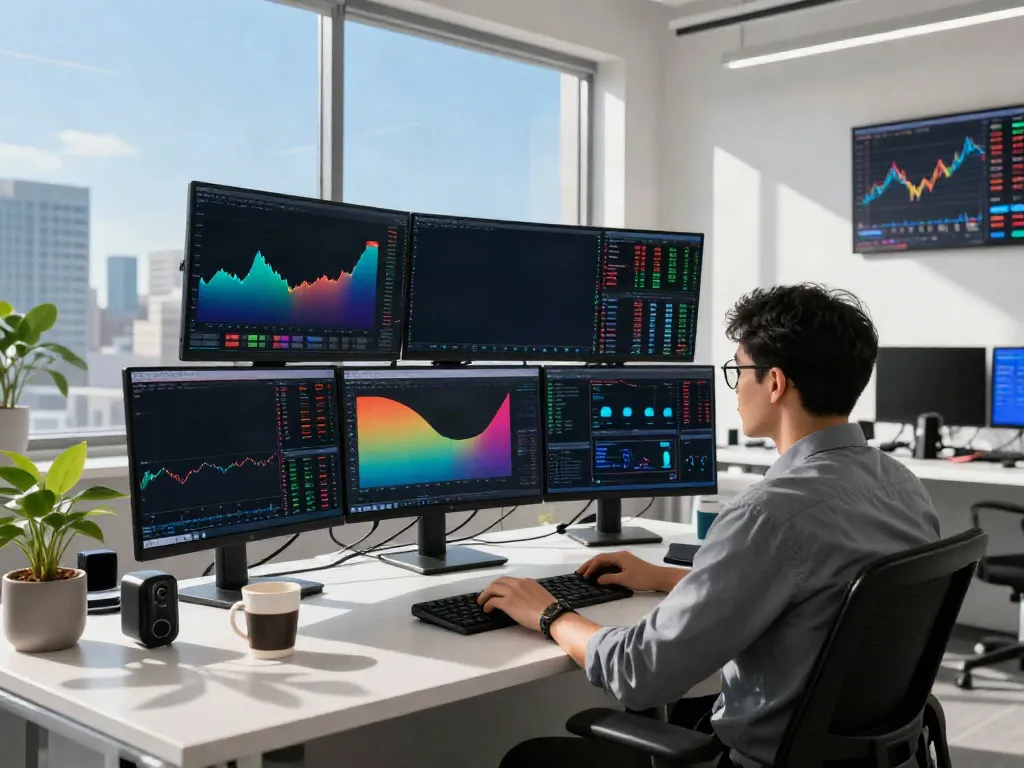
Understanding TradingView: An Overview
TradingView is a powerful and comprehensive platform that integrates charting, market analysis, and trading into one seamless interface. Designed for both novice and experienced traders, it offers tools that simplify complex market data into actionable insights. By watching market trends, users can swiftly adapt their strategies across various assets, ensuring they remain competitive in today’s fast-paced trading environment. Whether you are analyzing stocks, forex, cryptocurrencies, or derivatives, TradingView provides a unified approach for all your trading needs.
What is TradingView and Its Key Features?
At its core, TradingView is a social network for traders and investors, enabling users to share trading ideas and insights. Key features include:
- Advanced Charting Tools: Create intricate charts with various indicators and overlays for precise analysis.
- Customizable Dashboards: Tailor your workspace to fit your trading style, utilizing multiple layouts and tools.
- Community Insights: Access a plethora of insights from other traders, fostering a collaborative environment for idea exchange.
- Alerts and Notifications: Set real-time alerts on price movements, technical indicators, and other triggers to stay informed without constant monitoring.
- Pine Script: A built-in scripting language that allows users to create custom indicators or strategies, enhancing the platform's versatility.
Why Traders Prefer TradingView for Market Analysis
Traders choose TradingView for its user-friendly interface and robust functionality. The platform’s ability to consolidate analysis tools in one place eliminates the hassle of juggling multiple applications. Additionally, its community-driven approach means that traders can benefit from shared insights, strategies, and market forecasts, making it easier to refine their approaches. Moreover, the accessibility of mobile and desktop applications allows traders to stay connected with the market no matter where they are.
Comparing TradingView with Other Trading Platforms
When comparing TradingView with other trading platforms such as MetaTrader or Thinkorswim, several distinctions emerge. While MetaTrader excels in algorithmic trading and Thinkorswim offers in-depth options analysis, TradingView stands out for its social features and customizable interface. It caters to diverse trading styles, from scalping to long-term investing, making it a versatile choice for many traders.
Setting Up Your TradingView Account
Step-by-Step Guide to Creating Your TradingView Account
Creating a TradingView account is a straightforward process:
- Visit the TradingView website and click on the "Sign Up" button.
- Fill in your email address and create a password, or sign in using Google or Facebook for quicker access.
- Verify your email to activate your account.
- Complete your profile by entering your trading preferences and experience level.
- Explore the platform and start customizing your dashboard.
Choosing the Right Subscription Plan for Your Needs
TradingView offers several subscription plans: Free, Pro, Pro+, and Premium. The Free plan offers basic features, while paid subscriptions unlock advanced charting tools, multiple charts per layout, and enhanced customer support. Consider your trading frequency and the tools you require when selecting a plan. For casual traders, the free version may suffice, while serious traders engaged in heavy analysis may benefit from the Pro+ or Premium options.
Customizing Your Trading Dashboard Effectively
Customizing your TradingView dashboard is crucial for optimizing your trading experience. Start by selecting the assets you wish to monitor, then arrange your charts, watchlists, and tools in a layout that suits your trading style. You can also save multiple layouts, enabling quick transitions between different trading strategies, which is invaluable during volatile market conditions.
Utilizing TradingView Tools for Enhanced Trading Decisions
How to Use TradingView Charts for Technical Analysis
Technical analysis is simplified with TradingView's comprehensive charting tools. Users can apply a variety of indicators, including moving averages, RSI, and MACD to identify market trends. Additionally, the platform supports multi-timeframe analysis, allowing traders to view asset performance across different timeframes simultaneously. Leveraging these tools, traders can make more informed and timely decisions.
Setting Alerts and Notifications for Key Market Movements
Setting alerts on TradingView is an effective way to monitor market changes. Users can create alerts based on price levels, technical indicators, or even custom scripts. This feature ensures traders stay updated on key market movements without needing to constantly monitor charts. The combination of mobile and desktop notifications enhances this capability, allowing for real-time responsiveness to market opportunities.
Implementing Pine Script for Custom Indicators
Pine Script is a unique feature on TradingView that empowers users to create their own custom indicators. By enabling traders to formulate specific strategies or indicators according to their needs, Pine Script enhances the user experience significantly. Beginners can find numerous community-contributed scripts to get started, while experienced traders can develop complex strategies tailored to their trading style.
Best Practices for Trading on TradingView
Developing a Consistent Trading Strategy Using TradingView
Creating a consistent trading strategy involves establishing clear entry and exit criteria. Utilize the tools available on TradingView, such as backtesting capabilities in the Strategy Tester, to validate your strategies against historical data. By keeping a detailed journal of trades and refining strategies based on performance, traders can develop a potent and repeatable approach to the markets.
Common Trading Pitfalls to Avoid with TradingView
Even seasoned traders can fall into pitfalls when using TradingView. Here are some common mistakes to avoid:
- Overtrading: Regularly check your trading volume and avoid impulsive trades based solely on emotions.
- Neglecting Risk Management: Always set stop-loss orders to safeguard against adverse market movements.
- Ignoring Alerts: If alerts are set, make sure to act upon them as they can highlight significant trading opportunities.
Leveraging Community Resources and Ideas on TradingView
The TradingView community is a goldmine for traders seeking fresh ideas and insights. Engage with other users by following their charts, participating in discussions, and sharing your analyses. Many traders find inspiration and innovative strategies by reviewing community-generated content, fostering an environment of collaboration and learning.
Future Trends in Trading with TradingView
Emerging Technologies and Their Impact on TradingView Users
The technological landscape of trading is constantly evolving. With the rise of artificial intelligence and machine learning, TradingView is expected to integrate more advanced analytics and predictive capabilities. These innovations will empower traders to make data-driven decisions, enhancing their trading performance and accuracy.
Predictions for TradingView's Role in Market Analysis by 2026
By 2026, TradingView is projected to become even more integral to market analysis with enhanced features like augmented reality (AR) for immersive charting experiences and real-time collaboration tools that allow traders to strategize together in real-time. These advancements will further solidify TradingView’s position as a leading platform in the trading community.
How to Stay Updated with TradingView’s Evolving Features
To maximize your TradingView experience, it’s vital to stay updated with the platform’s evolving features. Regularly check the TradingView blog and community forums for the latest updates. Engaging with webinars and tutorials can also help deepen your understanding of new tools and functionalities, ensuring you remain at the forefront of market analysis.
Is TradingView Actually Free?
While TradingView offers a robust free version, many advanced features require a paid subscription. The free plan includes access to essential charting tools but limits the number of alerts and indicators. For traders looking for extensive features, the paid subscriptions provide a substantial upgrade.
Can You Trust TradingView for Your Trading Needs?
TradingView is widely regarded as a trustworthy platform within the trading community. Its robust security measures and transparency help user retention and trust. Additionally, the platform’s strong reputation is bolstered by its extensive community, which provides validation of its features and tools.
What Makes TradingView Stand Out Among Competitors?
TradingView excels among its competitors due to its user-friendly interface, robust community features, and comprehensive analysis tools. Unlike many platforms that focus solely on trading execution, TradingView puts a significant emphasis on market research, education, and social interaction, making it a preferred choice for traders seeking a holistic approach to market analysis.